4 Mistakes Advanced Skiers Make and How to Fix Them
Votes:
If you’re reading this, you’re a strong skier. You can carve clean turns, handle steeps, and ski anywhere on the map. But you probably still want to be better. To find more flow, higher edge angles, or just feel more effortless on snow.
Once you reach this level, progress gets tricky. The habits holding you back are subtle, built up over years of comfortable skiing, and hard to spot without feedback.
Carv’s data from thousands of advanced skiers shows the same story: small yet consistent habits that quietly cap progress. Working with expert instructor Tomas Mical, we’ve identified four of the most common and how to fix them.
Get these right, and you’ll unlock that next level of flow.
Skip ahead
Tomas Mical
With 25 seasons of teaching experience, Tomas Mical is an ISIA- and Euro Ski Pro-certified instructor and longtime Carv Ambassador. He’s a former national champion, an INTERSKI Demo Team member, and a key contributor to Carv’s coaching content.
1. The park and ride turn
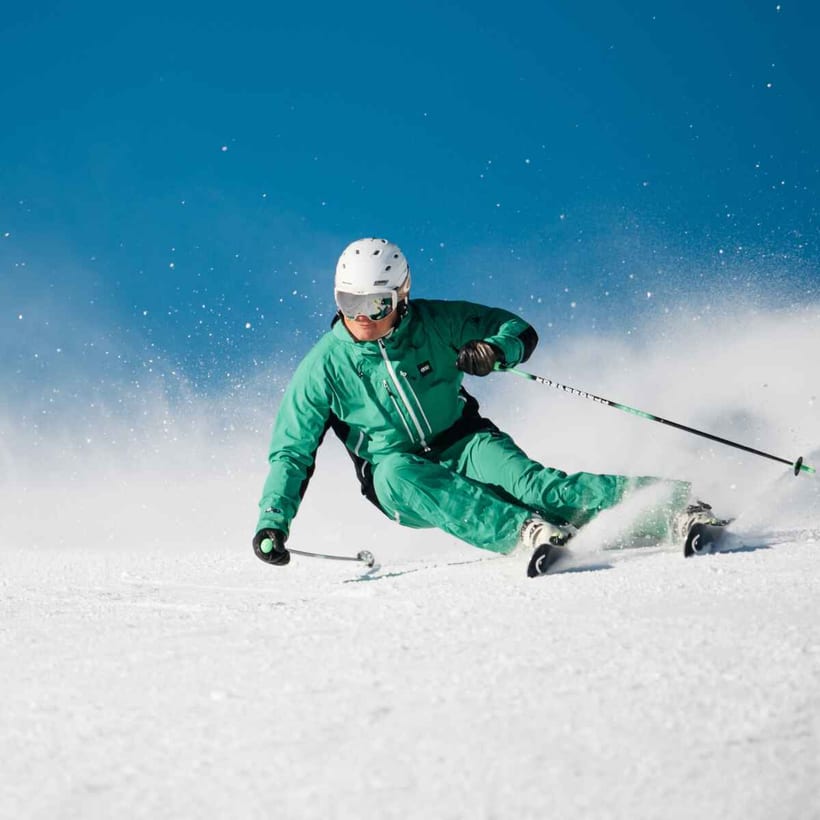
Park and ride turns happen when you build your edge angle early, then stay there for the rest of the turn. The skis carry you from one side of the slope to the other while you sit comfortably on your edges. It feels smooth and stable, but you’re not really driving the ski anymore.
How to tell if you’re doing it
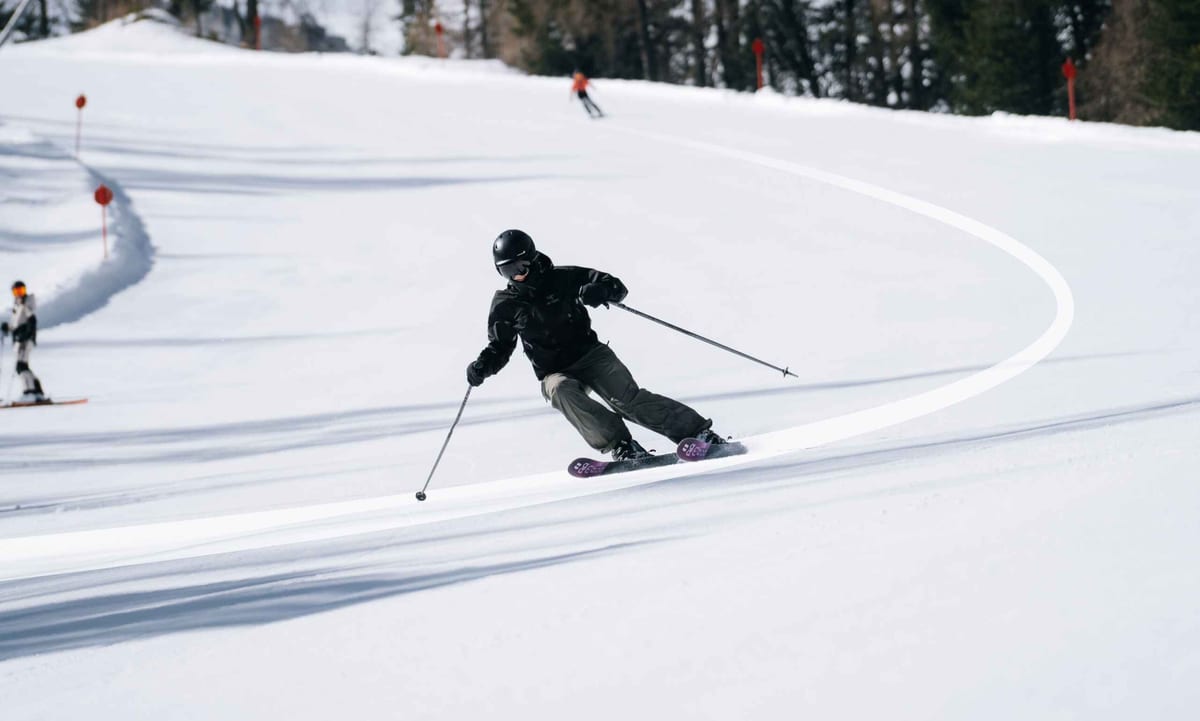
Do you feel like you do all the work in the transition, then just let the skis cruise until the next turn?
This habit looks and feels fine on mellow groomers, but on steeper runs, your ability to manage speed falls apart. The turns also lose that lively, athletic look great skiers have when they’re shaping every moment.
If you want more control and power, this is a habit worth fixing. The best skiers don’t ride the ski, they guide it from start to finish.
How to fix it
Let your edge angle build through the turn instead of setting it and holding on. Roll smoothly onto edge, let pressure grow toward the apex, then release it as you move into the next turn.
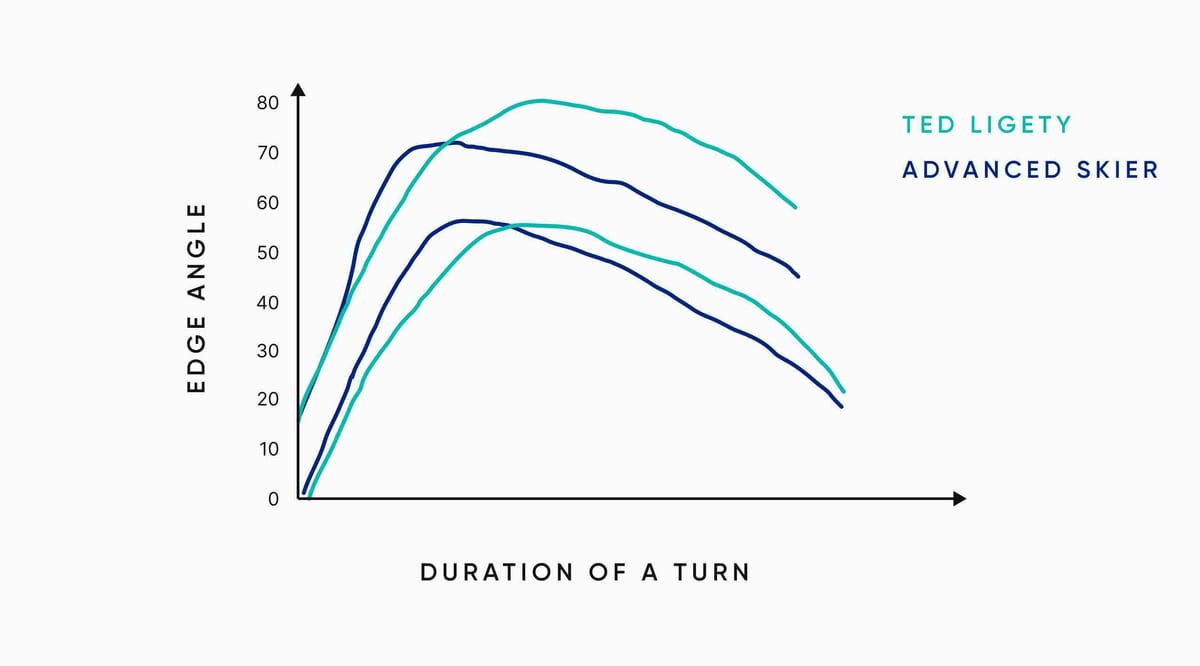
Carv’s motion data makes this easy to see. When you compare an advanced skier with an elite racer like Ted Ligety, the biggest difference isn’t the edge angle itself, it’s when that angle develops. Take a look at the graph below: Ted builds it gradually through the turn, while the advanced skier locks in early and rides it out.
Tomas suggests thinking of your ski as a trampoline. From the top of the turn, you’re loading it, bending it more until the apex, then letting that energy rebound into the next turn.
Carv tip
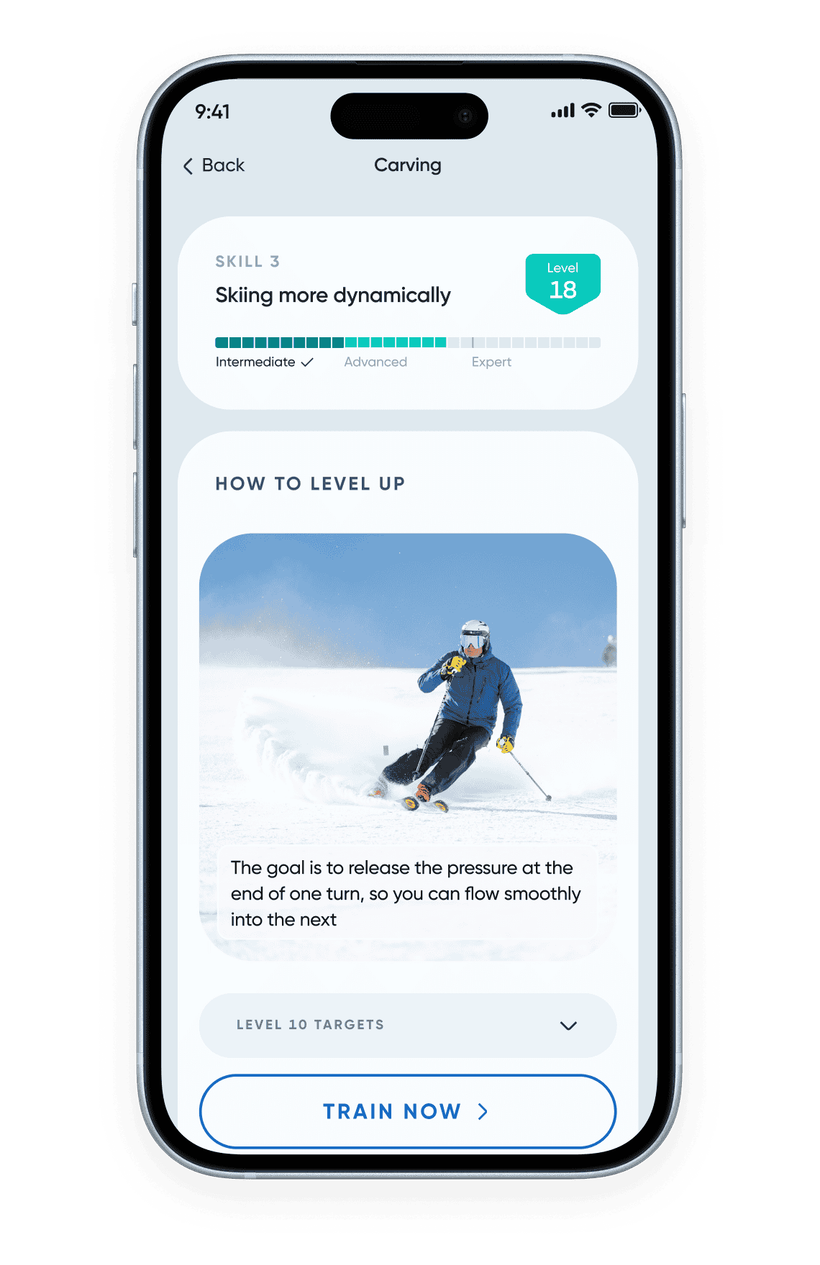
Carv coaches a skill focused on this: Skiing Dynamically. Here’s a short soundbite from the app to try next time you’re on snow:
When you get this right, your turns feel rounder and more fluid.
2. Extending too early
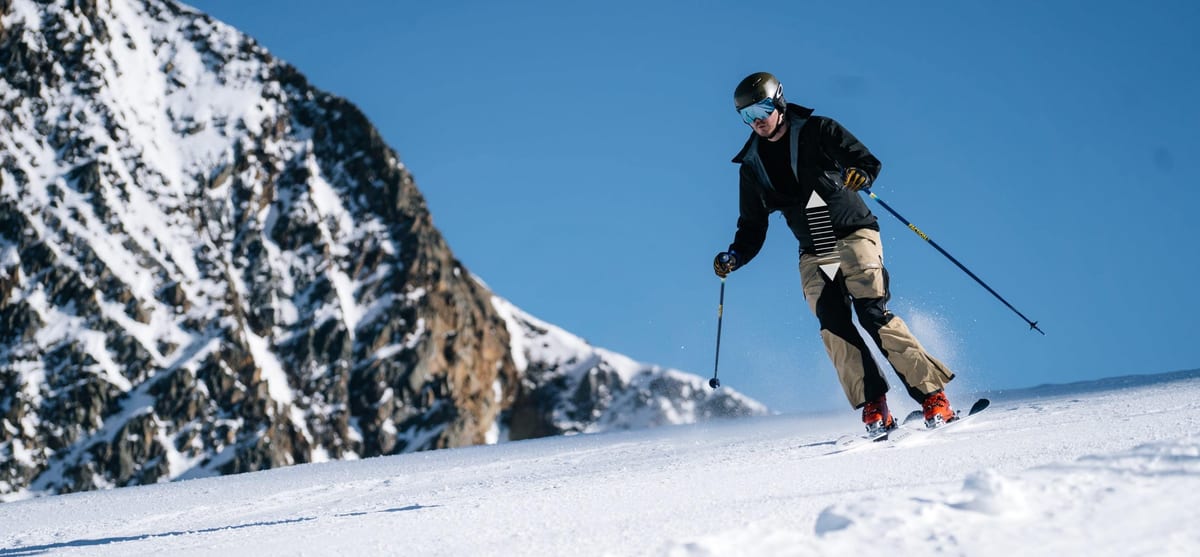
Extending too early means getting too tall at the beginning of the turn.
It’s easy to do, especially when you’re trying to ski strong and forward. But that early extension makes you lose connection with the snow right when you need grip most. When you rise too soon, your edges can’t bite, and you end up struggling to balance mid-turn.
How to know if you’re doing it
You might struggle with edge grip early in the turn or feel unstable as pressure builds. Standing tall too soon pulls you out of an athletic stance and makes it harder to stay balanced.
How to fix it
Stay lower and more compact through the transition. Move across the skis, shifting balance from one foot to the other instead of popping up. Let your outside leg extend gradually, reaching full length only at the apex when pressure is highest. Patience here keeps you grounded and in control.
Carv tip
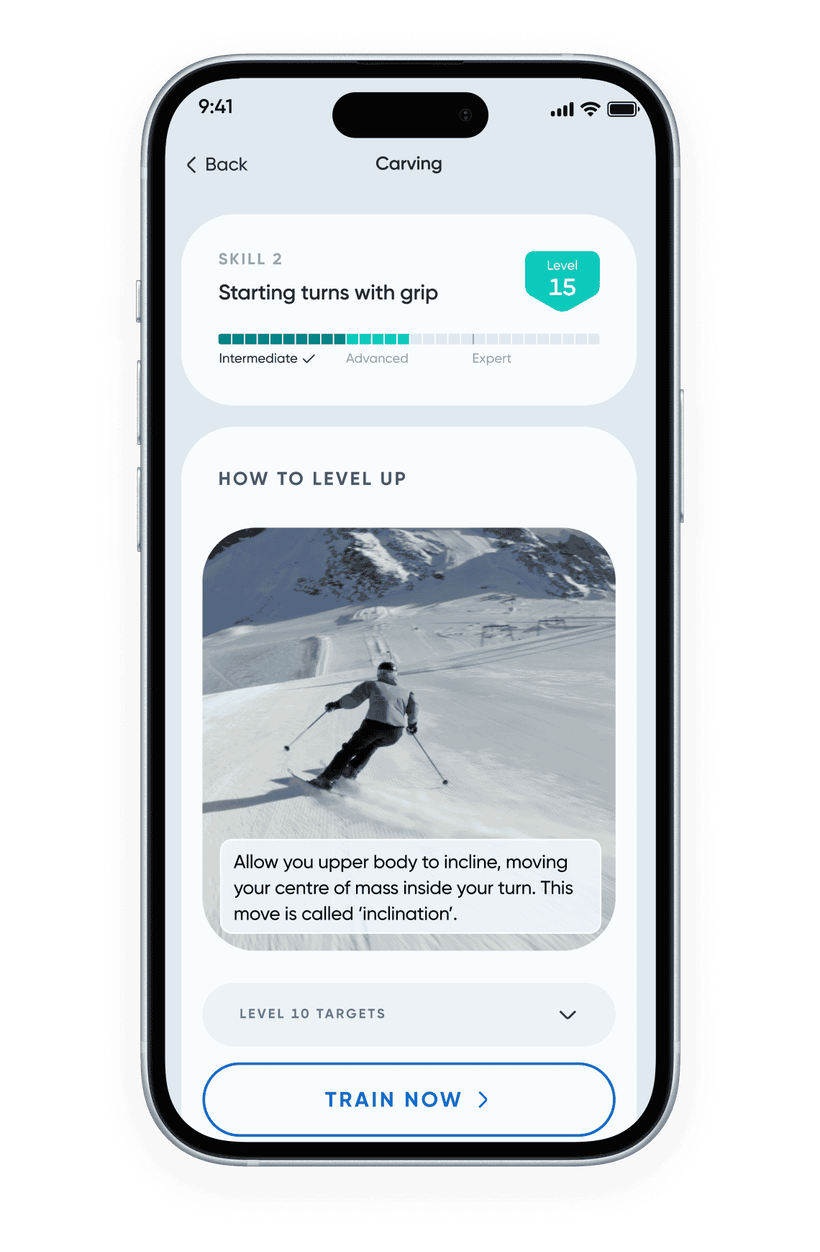
Carv trains this through the skill Starting Turns with Grip. Here’s a snippet from the app to help you feel it:
- Aim to start your turns by moving your body diagonally across your skis.
- Avoid being static when you initiate the turn.
- At the end of your previous turn, move your chest forward and diagonally across your inside ski.
- Let your upper body incline so your centre of mass moves inside the new turn.
- Keep steady pressure on your new outside ski as it engages.
3. Too far forward
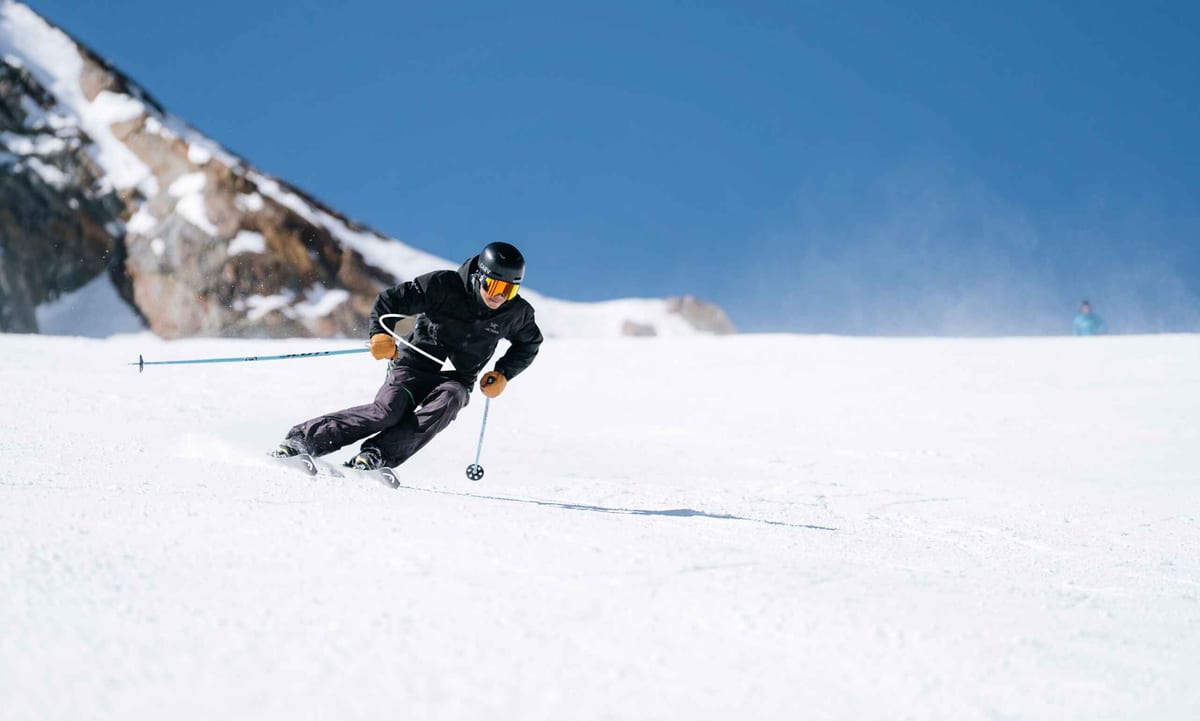
In working so hard to stay forward, many advanced skiers end up leaning a little too far.
It may feel athletic, but being overly forward makes it harder to steer. When your weight tips too far over your toes, your heels wash out and you lose the ability to guide the skis cleanly through the arc. The result is a turn that feels busy and unstable instead of smooth and connected.
How to know if you’re doing it
- Skis skidding out: The tails of your skis slide away from you, especially at the end of the turn.
- Breaking at the waist: You bend excessively at the hips to stay balanced, creating a hunched posture rather than a tall, athletic stance.
How to fix it
To steer effectively, balance over the middle of your feet. Tomas recommends picturing your foot as a tripod with three contact points: the ball under your big toe, the ball under your little toe, and your heel. Keep all three connected to the snow as you ski.
That centred balance gives you smoother edge changes, stronger control, and a more natural rhythm. You’ll feel less effort, more flow, and your skis will start working with you, not against you.
4. Rushing the bumps
At this level, you’re probably skiing the whole mountain - carving, exploring powder, and taking on steeps and moguls.
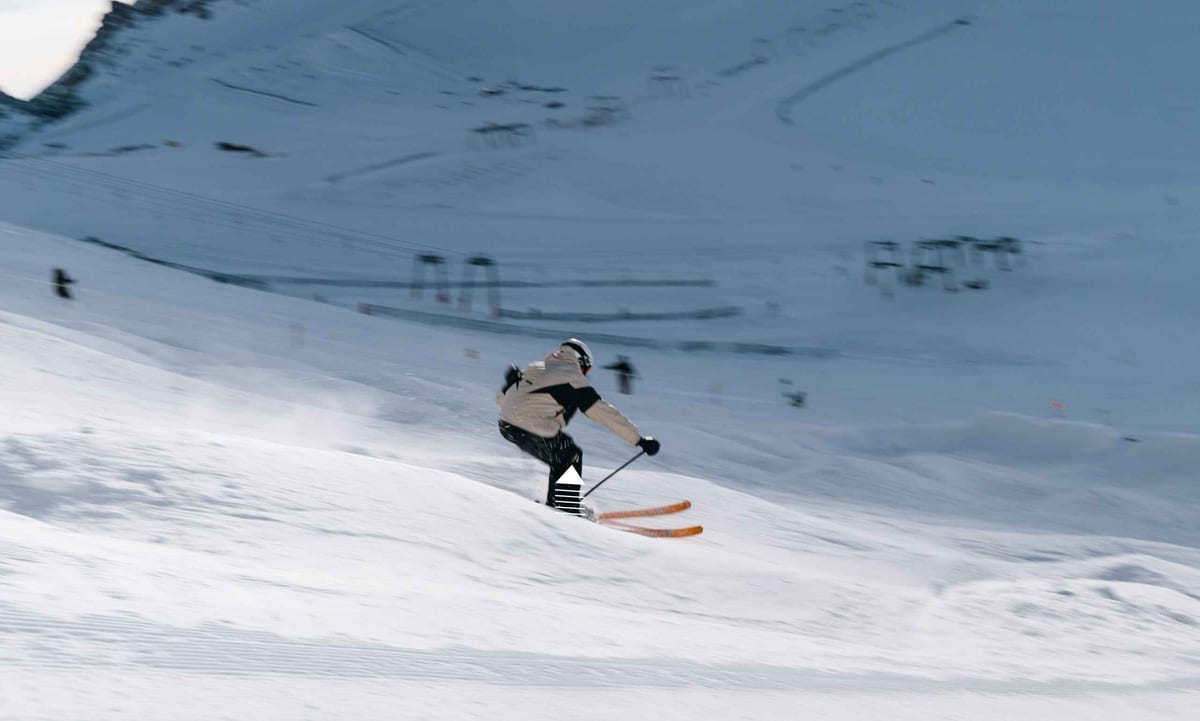
When it comes to skiing bumps, the most common mistake is rushing the absorption. The instinct is to pull your knees up early to absorb the mogul, but that actually pops you off the snow and breaks your rhythm. When you flex too soon, the terrain starts controlling you instead of the other way around.
How to fix it
Be patient. As you meet the mogul, extend your legs gently into it, then let the terrain push your feet and knees back underneath you. This keeps your skis in contact with the snow and smooths out the chaos.
Once you stop fighting the bumps and start moving with them, the line feels rhythmic, controlled, and even fun.
When you find that patience, moguls stop feeling unpredictable and start feeling like another expression of the same flow you chase on every run.
Carv Tip
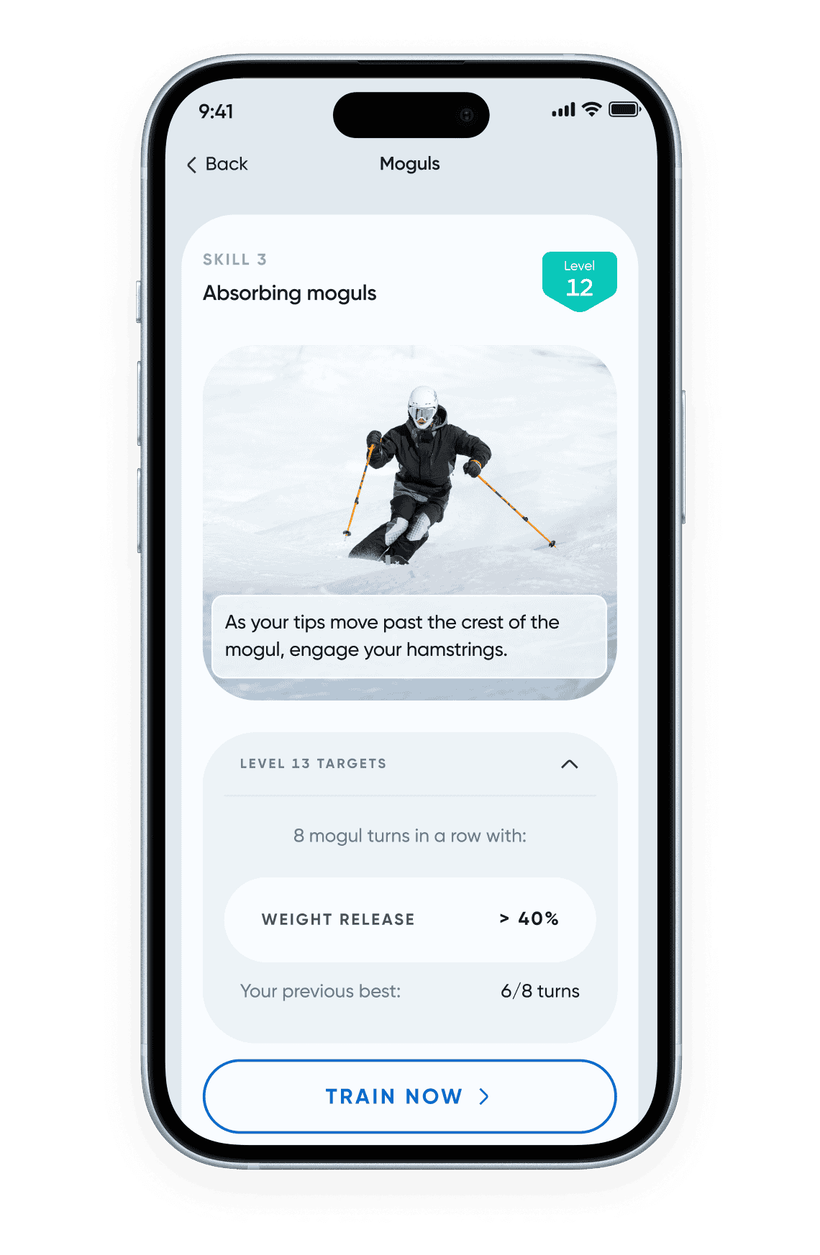
Carv’s Moguls Pathway trains this exact timing in its Absorption skill.
The skill looks at how well you release weight between turns, challenging you to flex through the joints to smoothly absorb moguls.
You can find drills and tips to help you improve, as well as your targets for the next level - in the coaching tab.
End
Getting better at this level isn’t about skiing more; it’s about seeing what’s really going on beneath the surface. Once you spot the small habits that have crept in, you can start making changes that actually stick.
That’s where the fun comes back. The turns feel more confident, every line feels controlled, and you just get to enjoy it!