Why I Started Tuning My Own Skis
Votes:
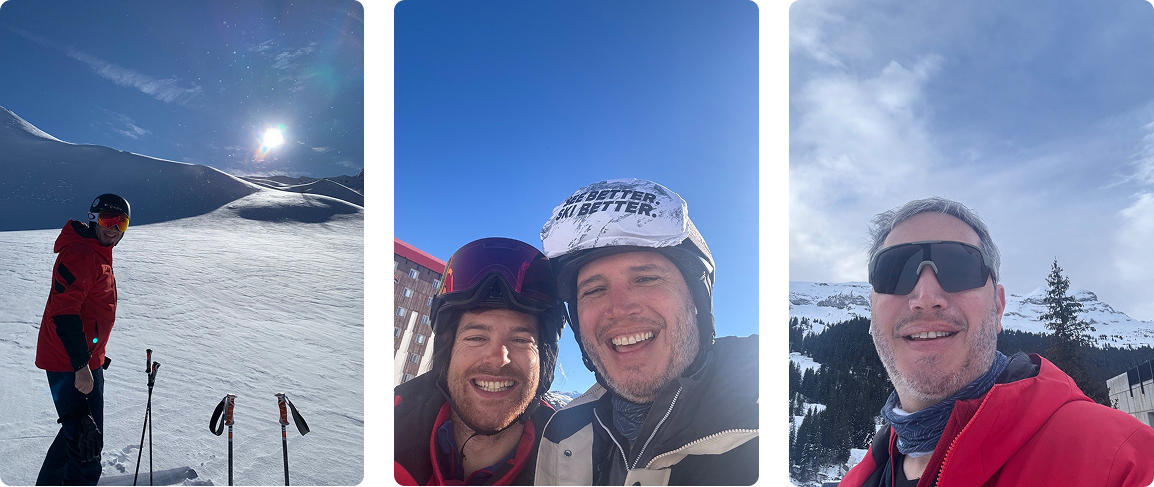
I first skied back in 1985. My dad didn’t ski himself, but he took the family on winter trips whenever he could. I loved it straight away, then, life got in the way, and I took a 20 year break.
When I returned, skiing had changed completely. Carving had arrived, skis were shorter and shaped, and every lesson seemed to start with: “You ski like my dad.”.
A few years ago, I discovered Carv on Instagram, and I finally had something I’d never had before: proof that I was improving. That focus on measurable progress made me think differently about another part of the sport - how I looked after my equipment. That’s what led me into tuning my own skis.
Why I Got Into Tuning
It started out of necessity. Ski shops were often booked right before a trip, and paying to service multiple pairs of skis for me and my son quickly added up. So I decided to give it a go myself.
What began as a practical solution became something I really enjoy. Tuning at home gives me three big advantages:
- Performance you can feel. Sharp edges mean grip. You’re carving into the snow, not sliding across it. Wax keeps the skis gliding smoothly, especially on sticky spring days or flat sections.
- Confidence. With sharp edges, I can trust higher edge angles. Carv even showed me the difference. My Ski:IQ scores were better when my skis were tuned.
- Savings. A solid starter kit doesn’t break the bank, and lasts for years. Compare that to the cost per tune in a shop, and it pays for itself quickly.
What I Learned Along the Way
Like most beginners, I assumed tuning would be difficult. But once you learn the basics, waxing, sharpening, minor base repairs, it’s surprisingly simple. I started with a half-day course with an expert and built up from there.
The most rewarding part for me is watching my son ski on edges I’ve tuned. It’s a bit like cooking dinner for your family. Things always feel more rewarding when you’ve put in the effort yourself.
Of course, I made mistakes. My first? Using way too much wax. You’re not skiing on a thick layer of wax; the ski just absorbs what it needs. Everything else you scrape off and waste.
I also learned not to over-service. You don’t need to file your edges every day. A quick pass with a diamond file to remove burrs is often enough. Think of it like a kitchen knife: easier to keep it sharp than to rescue it once it’s dull.
And one last lesson: buy decent tools. Cheap gear wears out quickly and gives poor results. Good tools last for years and make the job far more satisfying.
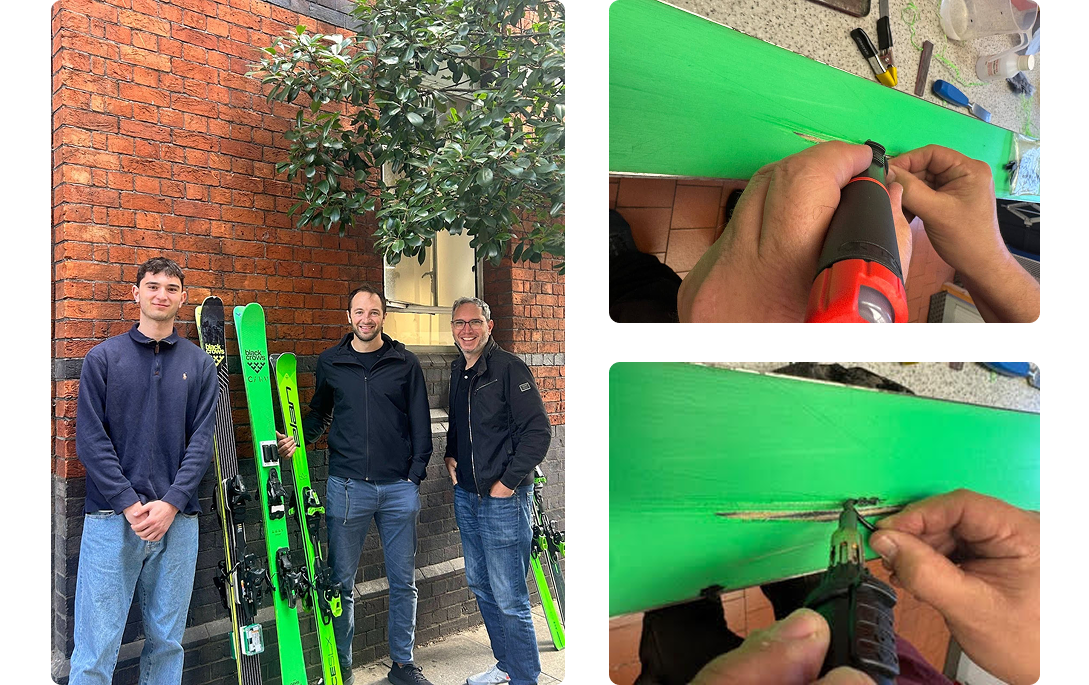
Ori, his son, and Jamie Salter, a Carv co-founder, posing with the freshly waxed skis Ori tuned up for testing.
A Simple Routine
You don’t need a workshop. For a basic kit, all you need is:
- Waxing iron
- Waxing brush
- Edge guides + files
- Diamond files
- P-tex candles for small repairs
- Ski vice set
When I travel, I just take a diamond file and edge guide. They fit inside my ski boots, and five minutes each evening keeps the skis sharp all week.
For waxing, I’ll do it after each trip, or more often if I’m skiing long blocks. It’s quick, simple, and makes a big difference.
I also find tuning relaxing. Brushing down a ski at the end of the day is almost meditative. It’s become part of my rhythm of skiing, and it makes every turn more enjoyable.
Want to Try It?
If you’re curious about tuning, start small. A basic kit isn’t expensive, and there are plenty of good resources to help you learn. If you are ever in London, why not come and learn with a one on one half day course?
Here are a few links that get you started:
- Ski waxing Tutorial with Ori
- Ski Edge Tuning with Ori
- 5 gear fixes to improve your skiing with Tom Gellie
About Me
I now run The Piste Office, helping skiers get the most from their gear. If you’re looking to start tuning yourself, I’m always happy to share advice - and if you’re in the London area, I can handle the tuning/waxing for you.